Windows Containers on Red Hat OpenShift: Does That Make Sense?
Jun 27, 2021
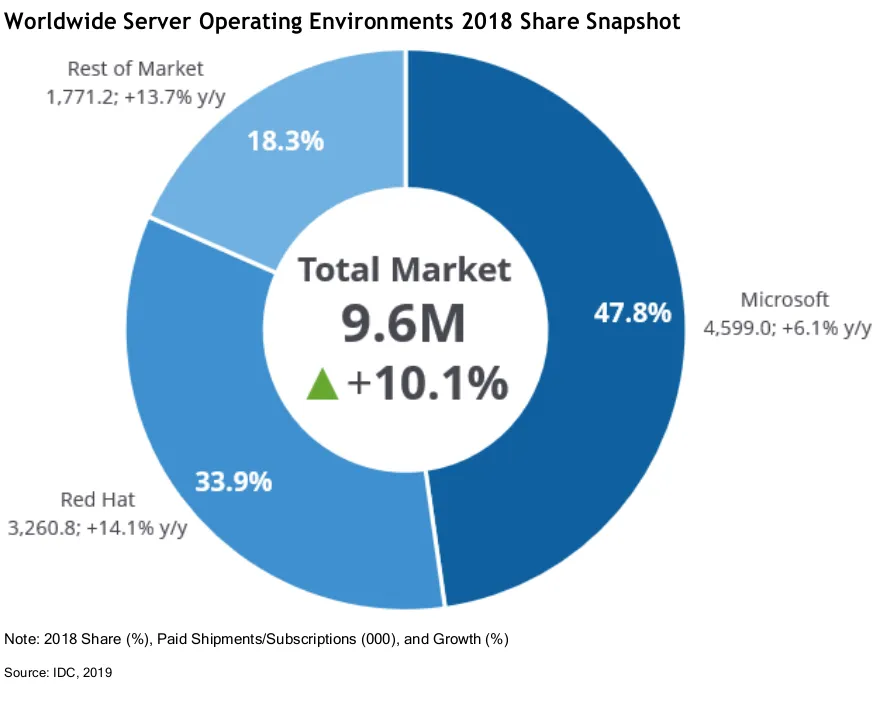
For a long time, Red Hat has been establishing Linux as the main operating system for Containers. In the past, you would hear Red Hat “Containers are Linux.” But now Red Hat is also bringing Windows as one of the supported Operating Systems for Workers on Red Hat OpenShift. Does that seem strange to you? Why is this movement happening? Follow me in this article to understand more about what is behind this movement. We will take a dive into some numbers and try to demystify the reasons for them. You will also see some possible strategies to move your Windows workload into Red Hat OpenShift Container Platform.
Read
The start of the business on the multicloud journey
Dec 13, 2020
For several decades, the term "journey" has been widely applied to everyday business, primarily related to the adoption of new technologies within organizations. The noun—which defines a path made up of multiple stages in pursuit of a goal—best describes the migration process from traditional IT, focused on stability and efficiency, to fluid IT, where agility and innovation are the most valuable currencies.
Read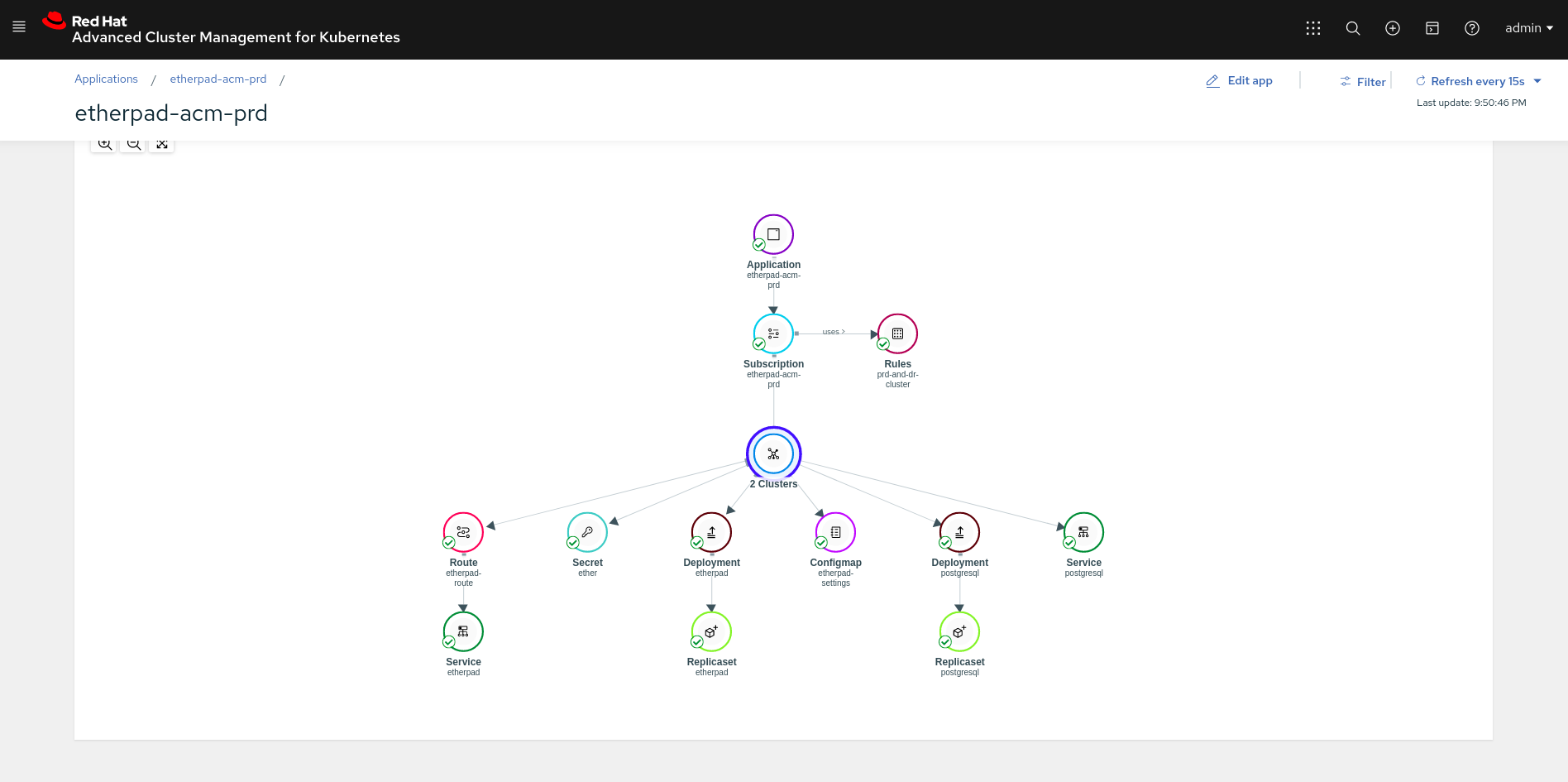
GitOps Using Red Hat OpenShift Pipelines (Tekton) and Red Hat Advanced Cluster Management
Oct 25, 2020
Recently, Red Hat launched the Advanced Cluster Management tool, which aims to help organizations overcome the challenges of having applications deployed in multiple clusters and clouds. Red Hat is also actively collaborating with the Tekton project as the solution that will enable teams to build Kubernetes-style delivery pipelines that can fully control and own the complete life cycle of their microservices without having to rely on central teams to maintain and manage a CI server, plugins, and its configurations.
In the last article we saw how to use Tekton and Red Hat Advanced Cluster Management to deploy an application on multiple namespaces, one for each lifecycle environment (Dev, QA and Prod), using a single OpenShift managed cluster. In this article we are going to expand our use case to deploy that same application using three different clusters, one for Non-Production workloads, another for Production and a last one representing a DR (Disaster Recovery) cluster.

GitOps Using Red Hat OpenShift Pipelines (Tekton) and Red Hat Advanced Cluster Management
Sep 3, 2020
Recently, Red Hat launched the Advanced Cluster Management tool, which aims to help organizations overcome the challenges of having applications deployed in multiple clusters and clouds. Red Hat is also actively collaborating with the Tekton project as the solution that will enable teams to build Kubernetes-style delivery pipelines that can fully control and own the complete life cycle of their microservices without having to rely on central teams to maintain and manage a CI server, plugins, and its configurations.
In this article, we will use both worlds together to build a CI/CD pipeline which will deploy an application in multiple environments and multiple clusters. If this is the first time you see RH ACM, I recommend you start by reading this article.

How to Restore All Masters in OpenShift 4.x
May 27, 2020
In this article I am going to show how to restore all masters servers, in case you need to restore your cluster of masters and etcds.
Read
CloudForms Database High Availability Explained
Feb 22, 2018
In this article, we describe how High Availability (HA) works natively in Red Hat CloudForms. The mechanism uses PostgreSQL feature, and does not require external tools like Virtual IP (VIP), HAProxy, or Load Balancer. We will use a two-node active/passive architecture as an example to investigate what is happening when failover occurs.
Read